
What’s Changed Behind the Wheel?
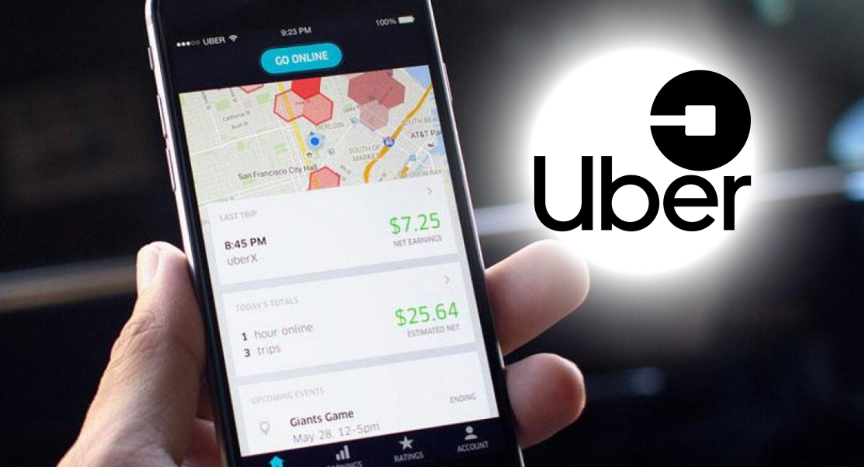
Back in 2022, Uber made a quiet but impactful shift: it moved away from calculating fares solely based on time and distance. Instead, it introduced “upfront pricing,” which gives riders a fixed quote before the ride and shows drivers estimated pay before they accept.
But what seems like a more transparent system for riders may be costing drivers more than they realize.
How It Impacts Drivers
A newly released study from Columbia Business School—using data from nearly 25,000 trips taken by a long-time Uber driver—revealed that since this shift, Uber has been:
- Reducing the percentage of fares drivers receive
- Increasing fares for shorter trips
- Using its algorithm to change payouts behind the scenes
Before upfront pricing, nearly all the driver’s trips (98%) followed predictable rates. By 2024, that fell to 77%, indicating a wide range of algorithm-influenced pricing practices.
The study suggests Uber has used this strategy to boost profits by charging riders more while paying drivers less. Some drivers now receive less than 30% of the fare, even when the passenger pays $60 or more. Meanwhile, Uber’s own “take rate”—the portion of the fare it keeps—has climbed from about 32% to 42%, and in some cases, even higher.
Uber’s Response
Uber maintains that its pricing model is fair to both sides. A spokesperson called the study “a tired, misleading story,” emphasizing that pricing doesn’t rely on personal characteristics like a driver’s gender or rating.
Yet many drivers report seeing consistent declines in their share of the fare—and more questions than answers about how final pay is calculated.
The Bigger Trend
The report describes this strategy as a form of “price discrimination,” an economic term referring to pricing based on what an individual is likely to accept or pay—not personal characteristics. According to the researchers, Uber now has the tools to do this on a massive scale using AI and rider behavior data.
This model has coincided with a dramatic financial turnaround for the company, including its first-ever annual profit in 2023 and a 300% rise in stock value since the rollout.
Why It Matters to You
For rideshare drivers, the key takeaway is this: upfront pricing may not just be about clarity—it may be a highly sophisticated tool for profit optimization, often at the expense of your earnings.
Knowing how it works can help you recognize patterns in your own pay. Drivers are increasingly tracking fares and estimated earnings to gain insights into how the system may be working for—or against—them.
Source: Business Insider


Customer Reviews
Thanks for submitting your comment!