
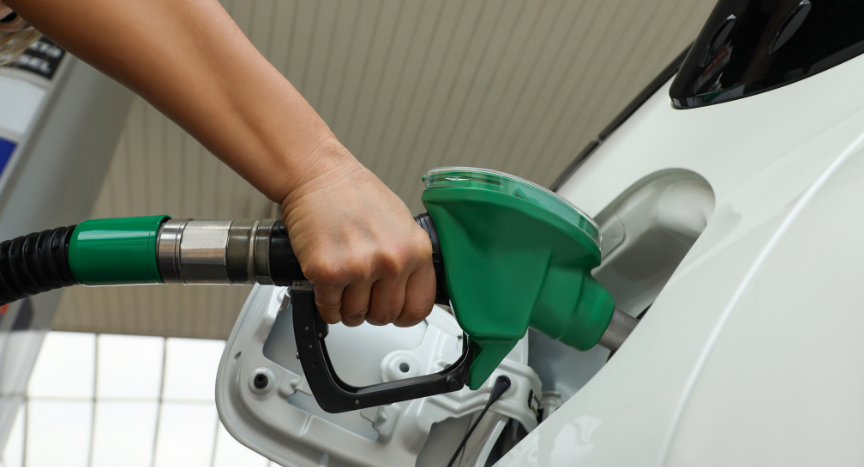
Rideshare drivers across the US are seeing their earnings shrink as rising fuel costs cut deeper into each trip, forcing many to either drive longer hours or scale back their time on the road. As gas prices climbed from $2.98 to over $4 per gallon in recent weeks, drivers say the added cost is coming directly out of what they take home, with little relief from Uber and Lyft support programs.
That shift is changing how drivers approach their day, from when they drive to whether it makes sense to stay on the road at all.
How rising gas prices are changing the way drivers work
For many drivers, the biggest adjustment has been deciding when driving is actually worth it.
“A few weeks ago, I filled up my hybrid car for $36,” said John Mejia, a driver for Lyft and Uber in Oakland for over a decade. “Now it’s $60, so I don’t drive as much.”
Instead of staying active between rides, some drivers are choosing to sit and wait to avoid unnecessary miles. Mejia explained that he now waits in staging lots rather than chasing nearby rides.
“I don’t want to waste the gas, because I can’t afford it,” he said.
That kind of adjustment may reduce fuel use, but it also limits earning opportunities, creating a tradeoff that drivers did not have to make at lower fuel prices.
Why are drivers working more hours just to stay even
Higher fuel costs are not just cutting into profits. They are pushing drivers to extend their workdays.
Prisell Polanco, who has driven in the Boston area for about eight years, said he is now spending an extra $300 a month on fuel without any pay increase.
“Every year, we get paid less and less money for the same ride. That forces you to work even more hours just to pay bills,” he said.
Other drivers are seeing the same pattern. Harvin, a full-time driver in Los Angeles, described how fuel costs have changed his daily routine.
“Two months ago, I paid $55 for a full tank of gas – now I have to pay over $75 for a full tank,” he said. “That means I have to work more hours, around 12 hours a day, just to get what I’m used to making.”
For drivers already working long shifts, adding more hours is not always a sustainable solution.
Why some drivers are cutting back instead of pushing harder
Not every driver is choosing to stay on the road longer.
Mary, a driver in Chicago, said rising fuel costs have forced her to reduce how much she drives.
“None of the fare prices have been adjusted,” she said. “I’m struggling to do this. I’m struggling to put gas in the car to go out there and make the money that I used to make.”
When fares stay flat, and expenses rise, driving less can feel like the only option, even if it means bringing in less income overall.
What drivers are saying about Uber and Lyft support programs
Both companies have expanded fuel discounts and rewards programs, but many drivers say those programs do not solve the problem.
“Like many things that Uber and Lyft offer, semantically on paper they’re true, but in practicality, they’re usually pretty hollow,” said Jonathan Tipton Meyers, who has been driving in Los Angeles since 2014.
He added that drivers often only receive a portion of what passengers pay, which makes rising fuel costs harder to absorb.
“Whatever passengers are paying, the drivers are getting probably about 25 to 30% of that, and if you increase gas prices on them, it means that you’ve got a driver who’s on the road for a couple of hours, maybe a day, longer than they would to make the same amount of money.”
Some drivers have been even more direct about how they view the current support.
“It’s a slap in the face,” Mejia said, criticizing discount programs that do not offset the real increase in fuel costs.
What this means for rideshare drivers going forward
Rideshare drivers operate as independent contractors, which means they are responsible for fuel, maintenance, and vehicle costs. When fuel prices rise quickly, those costs hit immediately, while earnings often stay the same.
That gap is what is driving current behavior. Some drivers are working longer hours to maintain their income. Others are cutting back to limit expenses. In both cases, the pressure is coming from the same place.
As fuel prices continue to fluctuate, drivers are being forced to adjust in real time without clear changes to base pay.
Frequently asked questions
Q: Why are rideshare drivers earning less right now?
Rising fuel costs are increasing expenses without a matching increase in pay, reducing overall earnings.
Q: How much more are drivers paying for gas?
Some drivers report spending hundreds more per month, depending on how often they drive.
Q: Are Uber and Lyft helping with fuel costs?
Both companies offer discounts and rewards programs, but many drivers say the support does not fully offset higher prices.
Q: Why are some drivers working longer hours?
Drivers are extending their shifts to make up for lost income caused by higher fuel costs.
Q: Why are others driving less?
Some drivers are cutting back to avoid spending more on gas than they can realistically earn back.
Rising fuel prices are not just increasing costs for rideshare drivers. They are changing how drivers approach every shift, from when they log on to how long they stay out. For many, the decision is no longer just about demand. It is about whether the numbers still make sense at the end of the day.
The ProDriverPoint editorial team creates practical, driver focused content for bus, motorcoach, chauffeur, and passenger transport professionals. Each article is built to reflect real world experiences, industry updates, and insights drivers can actually use on the job.
Last Updated: April 22, 2026
Source: The Guardian


Customer Reviews
Thanks for submitting your comment!