
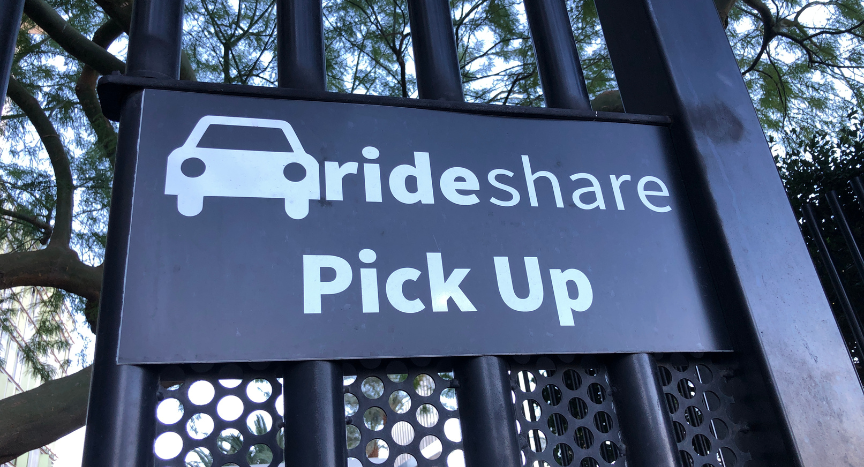
Pickup confusion is one of the most common issues rideshare drivers deal with during daily shifts. Wrong pin locations, crowded pickup zones, unclear rider communication, and last-second location changes can quickly turn short trips into frustrating delays that waste time and reduce earnings.
While some pickup problems are unavoidable, experienced drivers often develop habits that make busy pickups smoother and help reduce cancellations, wait time disputes, and unnecessary stress during high traffic periods.
Drivers working airports, entertainment districts, downtown areas, stadium zones, hotels, and nightlife areas usually deal with pickup confusion more frequently because riders are often distracted, moving through crowds, or unfamiliar with pickup procedures themselves.
Clear Communication Usually Prevents Bigger Problems
Many pickup issues start because the driver and rider assume they are looking for each other in the same location when they are not.
Short confirmation messages often help reduce confusion before arrival. Some drivers send quick messages asking riders to confirm landmarks, building entrances, hotel names, or nearby businesses when pickup zones are crowded or difficult to access.
Simple communication usually works better than long explanations during busy periods.
Drivers also tend to avoid stopping immediately in unsafe or unclear locations just because the pin appears there on the map. In heavy traffic areas, pulling forward safely and communicating clearly is often faster than blocking traffic or attempting risky stops.
At concerts, airports, sporting events, and nightlife districts, riders frequently walk while waiting for the vehicle. Confirming clothing color, nearby businesses, cross streets, or visible landmarks can often prevent several minutes of unnecessary circling.
Busy Pickup Zones Require Patience And Positioning
Experienced rideshare drivers often pay close attention to positioning before they even arrive at the pickup point.
Stopping where the rider can safely enter the vehicle matters more than stopping exactly on top of the app pin in every situation. Some pickup pins place drivers near bus lanes, loading zones, intersections, construction areas, or heavily congested traffic lanes that create safety or traffic flow problems.
Drivers working airports and major event areas also learn quickly that traffic patterns change constantly depending on crowd flow, police direction, and surge periods.
In many cases, it becomes more efficient to position slightly outside the heaviest congestion and guide riders toward a safer meeting point rather than fighting directly through gridlocked pickup lanes.
Drivers who stay calm during pickup delays also tend to avoid unnecessary rider conflicts. Frustration usually increases confusion rather than solving it.
Good Pickup Habits Can Improve Ratings And Efficiency
Small pickup habits often affect ratings, trip efficiency, and earnings more than many new drivers expect.
Drivers who double-check names before unlocking doors, keep hazard lights visible during crowded pickups, monitor surrounding traffic carefully, and communicate professionally during delays often create smoother experiences for both themselves and riders.
Navigation preparation also matters. Drivers who review apartment entrances, hotel access points, airport staging procedures, and event pickup zones before arrival usually spend less time making last-second lane changes or circling unfamiliar areas.
Some experienced drivers also avoid chasing riders through large parking lots or crowded entertainment zones once communication completely breaks down. In certain situations, waiting safely in a clear pickup location becomes more efficient than continuously repositioning the vehicle.
Pickup confusion will always be part of rideshare driving to some degree, especially during busy hours and large events. Drivers who stay patient, communicate clearly, and focus on safe positioning usually handle those situations more efficiently over time.
Frequently Asked Questions
Why do rideshare pickups become confusing so often?
Crowded areas, inaccurate GPS pins, heavy traffic, distracted riders, and changing pickup locations all contribute to common pickup problems.
Should drivers stop exactly at the app pin every time?
Not always. Safety, traffic flow, and legal stopping areas usually matter more than stopping directly on top of the pin.
What helps reduce pickup delays during busy hours?
Clear communication, confirming landmarks, reviewing traffic flow early, and positioning safely often help reduce delays.
Why are airport and concert pickups more difficult?
Large crowds, temporary traffic control, moving riders, and designated pickup zones often create additional confusion during high-demand periods.
Should rideshare drivers call riders during pickup problems?
Many drivers use short calls or quick messages to clarify entrances, landmarks, or exact meeting points when the app pin becomes unclear.
Drivers who manage pickups efficiently often waste less time, reduce stress during busy shifts, and avoid many of the unnecessary delays that can affect ratings and earnings throughout the week.
The ProDriverPoint editorial team creates practical, driver-focused content for bus, motorcoach, chauffeur, and passenger transport professionals. Each article is built to reflect real-world experiences, industry updates, and insights drivers can actually use on the job.
Last updated: May 15, 2026



Customer Reviews
Thanks for submitting your comment!