
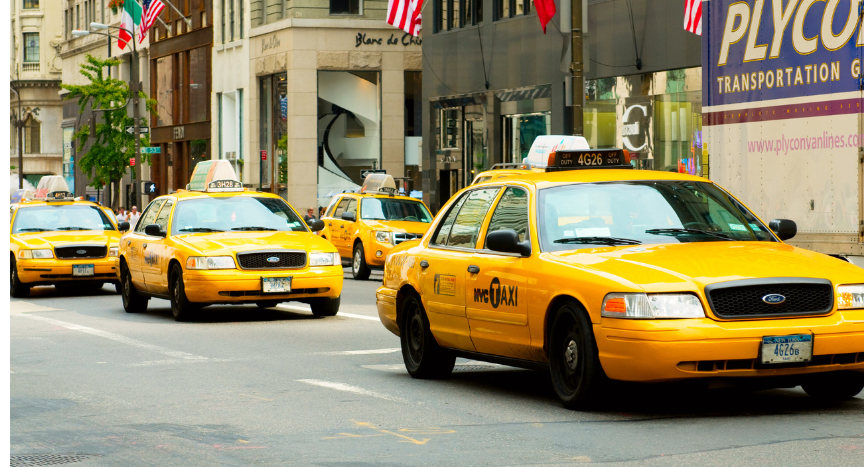
Yellow wasn’t the first color used on American taxicabs, and it wasn’t adopted because the industry wanted a recognizable look. Taxi companies in the early 1900s competed for passengers who hailed rides from sidewalks, train stations, hotels, and busy intersections. Being noticed before the competition could mean the difference between picking up a fare or driving away empty.
The decision to paint cabs yellow came from that competition, not from tradition.
Visibility Was a Business Advantage
Businessman John D. Hertz is widely credited with making yellow the signature color of his Yellow Cab Company. Historical accounts state that he chose the color after learning about research from the University of Chicago suggesting yellow was among the easiest colors to see from a distance.
Whether that study alone influenced the decision has been debated over the years, but the business value was obvious. A cab that stood out in heavy traffic gave passengers less time to wonder whether another vehicle would arrive first. In an era when most rides began with someone raising a hand at the curb, being easier to spot could translate into more fares throughout the day.
One Successful Idea Spread Quickly
Taxi companies have always looked for ways to separate themselves from competitors. Some invested in newer vehicles, others expanded dispatch services, and many focused on building recognizable fleets. Yellow accomplished something few marketing campaigns could achieve because passengers identified the vehicle before they ever saw the company name on the door.
As more fleets adopted the color, yellow gradually became associated with taxi service itself rather than with one operator.
Yellow Never Became the Only Choice
Despite its reputation, yellow has never been a nationwide requirement.
Many cities allowed taxi companies to establish their own fleet colors, while others adopted local standards that required licensed cabs to follow an approved appearance. White, green, blue, red, and two-tone fleet designs all became common in different parts of the country, often reflecting local regulations or long-established companies rather than a preference for one particular color.
That variety is one reason travelers still encounter very different-looking taxi fleets from one market to another.
Recognition Still Matters Even When Riders Use Apps
Most passengers no longer stand on a sidewalk hoping to catch the next available cab, yet fleet identity continues to matter. Vehicles waiting at airports, convention centers, hotels, and transportation hubs still benefit from being immediately recognizable, particularly in locations where several operators work side by side.
The way passengers request a ride has changed dramatically over the past century. The value of making a commercial vehicle easy to recognize has not.
A Simple Decision Left a Lasting Mark
Few business decisions have influenced an entire industry as long as the choice to paint taxis yellow. What began as an effort to make one fleet easier to recognize eventually shaped public expectations across the United States. Even in communities where yellow taxis are uncommon, the color remains one of the strongest visual symbols associated with taxi service.
Frequently Asked Questions
Was every taxi company required to paint its vehicles yellow?
No. Fleet colors have always varied across the United States. Some cities established appearance requirements for licensed taxis, while others allowed companies to choose their own colors.
Did the Yellow Cab Company invent the taxi?
No. Taxi service existed long before the Yellow Cab Company. The company is best known for helping make yellow the color most people associate with American taxis.
Why are some taxis white, green, or other colors?
Fleet colors are often determined by local regulations, company branding, or long-standing regional traditions rather than a national standard.
The ProDriverPoint editorial team delivers timely news, practical resources, and industry insights for professional drivers and transportation companies across the chauffeur, limousine, motorcoach, bus, taxi, rideshare, and NEMT industries.
Last Updated: July 22, 2026




Customer Reviews
Thanks for submitting your comment!