

Rideshare drivers in Atlanta are asking local leaders to consider new protections as autonomous vehicles take on a larger role in the city’s rideshare market.
The Atlanta Rideshare Drivers Union has proposed a fee of 50 cents to $1 on robotaxi trips, with the money directed toward programs for drivers affected by the growth of autonomous ride services. The group also wants Hartsfield-Jackson Atlanta International Airport to remain focused on human-driven rideshare pickups rather than opening that business to robotaxis.
The proposals come more than a year after Waymo began offering fully autonomous rides in Atlanta through its partnership with Uber.
Drivers Bring Their Concerns to Atlanta Leaders
Liza Ramsey of the Atlanta Rideshare Drivers Union presented the proposed robotaxi impact fee to Atlanta City Council members in late August. The group said revenue from the fee could support job training, grants and other programs for drivers whose work is affected as autonomous ride services expand.
Drivers involved with the group have reported longer waits between requests, fewer trips and lower earnings since Waymo entered the Atlanta market. The union has acknowledged that it does not currently have aggregated data establishing how much of those changes can be attributed specifically to robotaxis.
That distinction is important because driver earnings can be influenced by several factors at once, including passenger demand, the number of available drivers, platform pricing, and operating expenses. The union’s proposal is therefore part of a larger discussion about how cities should prepare for autonomous transportation as it becomes a regular part of rideshare networks.
Airport Trips Are Part of the Discussion
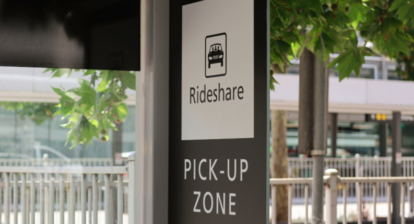
The union is also seeking restrictions on autonomous pickups at Hartsfield-Jackson Atlanta International Airport.
Airport trips can represent an important part of the work available to Atlanta rideshare drivers, particularly because the airport generates passenger demand throughout the day. Keeping robotaxis out of the pickup system would reserve those requests for drivers using the existing rideshare and taxi operations.
No such restriction has been adopted, and the request remains a proposal. How autonomous vehicles ultimately fit into airport transportation will depend on decisions involving city leaders, airport officials, and existing Georgia law governing autonomous vehicles.
Waymo Is Already Part of Atlanta’s Rideshare Network
Waymo’s presence in Atlanta differs from markets where the company operates its own ride service independently. In Atlanta, passengers access Waymo vehicles through Uber.
Eligible passengers requesting UberX, Uber Comfort, and certain other ride types can be matched with a fully autonomous Waymo vehicle when one is available nearby. Riders are notified of the match and can choose whether to accept the autonomous ride.
The arrangement means human drivers and autonomous vehicles are currently operating within the same broader rideshare network rather than entirely separate systems.
Waymo has continued expanding its Atlanta service area since launching commercial rides in June 2025. By August 2026, its vehicles had traveled more than 5.4 million fully autonomous miles in the Atlanta market.
The Effect on Driver Earnings Is Still Being Measured
Some Atlanta drivers have publicly described changes in their earnings since autonomous rides became available. At a July gathering, one local driver estimated that his income had declined by roughly 10% to 30%, depending on the day.
Individual experiences do not establish a market-wide decline, however. The Atlanta Rideshare Drivers Union has said it is relying in part on reports and earnings screenshots shared among drivers, rather than on a comprehensive analysis comparing earnings and trip volume before and after Waymo’s arrival.
Other expenses are also part of the equation. Fuel, insurance, maintenance, and vehicle depreciation continue to affect what rideshare drivers keep after operating costs, regardless of whether autonomous vehicles are active in their market.
More detailed trip and earnings data would be needed to determine how much robotaxis themselves are changing the number or value of trips available to Atlanta drivers.
Human Drivers Remain Part of the Rideshare Model
The arrival of robotaxis does not mean Atlanta’s rideshare market has shifted entirely toward autonomous service. Uber continues to rely on human drivers while also building partnerships with autonomous vehicle companies.
That creates a market in which both models can operate simultaneously. Autonomous vehicles may handle some ride requests while drivers continue serving trips throughout the city, including rides that fall outside autonomous service areas or require circumstances the current technology does not serve.
For Atlanta drivers, the immediate question is less about whether autonomous vehicles are coming and more about how quickly their role in the market will grow. The proposed impact fee and airport restrictions show that drivers want a place in those decisions as the technology expands.
Atlanta officials have not adopted the union’s proposals, so there is no immediate change to how drivers or robotaxis operate in the city. The discussion does, however, offer an early look at the questions other rideshare markets may face as autonomous and human-driven services increasingly operate alongside one another.
The ProDriverPoint editorial team creates practical content covering industry news, operations, technology, safety, and workforce developments for professional drivers and transportation businesses. Each article is written to help readers understand the changes affecting passenger transportation and the services they provide.
Last Updated: September 9, 2026
Source: Big Go Finance


Customer Reviews
Thanks for submitting your comment!