
Thousands of World Cup visitors moving through U.S. host cities created a transportation challenge that required motorcoach operators, drivers, vehicle suppliers, and local officials to work across company lines.
For John Goodbrake, CEO of Master’s Transportation, one of the biggest takeaways was how effectively operators worked together. Companies brought drivers into busy markets, positioned additional vehicles where demand exceeded local fleet capacity, and relied on their knowledge of each city to keep service moving.
The experience could become increasingly relevant as the United States prepares for other major events, including the 2028 Olympic and Paralympic Games in Los Angeles.
Operators Brought Drivers into High-Demand Markets
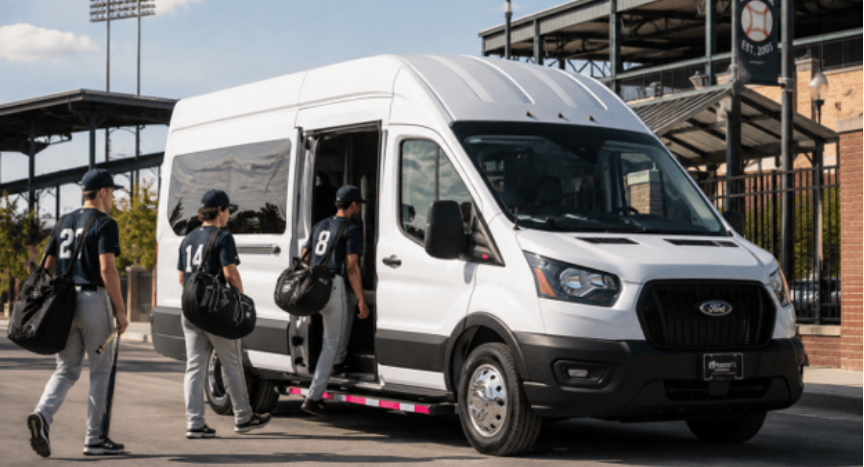
Master’s Transportation supplied about 500 additional vehicles during the World Cup in Southern California, Texas, Kansas City and Atlanta. The company provided vehicles rather than drivers, leaving participating operators responsible for staffing the additional equipment.
In some cases, companies moved drivers into World Cup cities and arranged lodging but did not have enough buses positioned there. Rental vehicles provided those drivers with equipment to operate, without requiring the company to permanently add buses to its fleet.
Goodbrake said the arrangement allowed companies that normally compete for business to share resources when demand exceeded what individual fleets could handle.
Local Drivers Brought Knowledge Event Planners Needed
Moving large groups through a major event involves more than having enough buses available. Each host city presented different traffic patterns, staging areas, pickup points, and distances between hotels and venues.
Goodbrake said local operators played an important role because they understood those conditions. In Kansas City, for example, some teams stayed as far as an hour from event venues, while other host cities presented their own routing and traffic challenges.
That local knowledge also influenced transportation planning. Goodbrake said FIFA adjusted parts of its approach after considering recommendations from cities and operators familiar with the roads.
For drivers, that experience highlighted the value of knowing more than the scheduled route. Familiarity with staging areas, congestion patterns, venue access, and practical ways to move through a city can become particularly important when thousands of passengers are traveling on tight event schedules.
Temporary Fleets Can Put Drivers in Unfamiliar Equipment
The World Cup also demonstrated how quickly an operator’s available fleet can change during a major event. Companies can bring in rented vehicles for a busy period rather than maintaining enough spare equipment to cover occasional surges throughout the year.
Master’s currently offers commercial rentals ranging from passenger vans to larger shuttle and school buses, including vehicles that require a CDL. Its rental operation supports both short-term and longer-term needs and offers nationwide delivery in the lower 48 states.
For drivers assigned to temporary equipment, vehicle familiarization becomes part of the job before passenger service begins. Controls, dimensions, accessibility equipment, and passenger capacity can differ from the vehicle normally assigned to a route or charter.
Los Angeles Will Present a Different Challenge in 2028
Motorcoach operators are already looking ahead to the 2028 Olympic and Paralympic Games. Goodbrake said Los Angeles-area companies have contacted Master’s about securing additional vehicles for the events.
Los Angeles will present different operating conditions from the World Cup markets. Heavy traffic, limited parking and the movement of passengers among multiple venues will place additional importance on staging, routing and coordination between operators.
The Paralympic Games will also require accessible transportation. Master’s offers wheelchair-accessible vehicles and custom configurations, adding another consideration as operators prepare fleets and drivers for passengers with different mobility needs.
Major Events Can Create Work Beyond the Home Market
One of the clearest lessons from the World Cup was that additional drivers do not necessarily have to come from the host city. Operators were able to move drivers into markets where vehicles and passenger demand were concentrated, then use temporary equipment to expand local capacity.
That model could appear again when future sporting events, conventions and other large gatherings create short periods of unusually high transportation demand. For motorcoach drivers, those assignments can mean working in another city, operating unfamiliar equipment and coordinating with companies and event personnel they do not normally encounter.
The World Cup showed that those moving pieces can work when local experience and additional resources are brought together. With the 2028 Olympics already generating interest from transportation providers, the lessons learned during the World Cup are likely to remain relevant well beyond this summer.
The ProDriverPoint editorial team creates practical content covering industry news, operations, technology, safety, and workforce developments for professional drivers and transportation businesses. Each article is written to help readers understand the changes affecting passenger transportation and the services they provide.
Last Updated: September 8, 2026
Source: Bus and Motorcoach News
Image Source: Bus and Motorcoach News


Customer Reviews
Thanks for submitting your comment!