
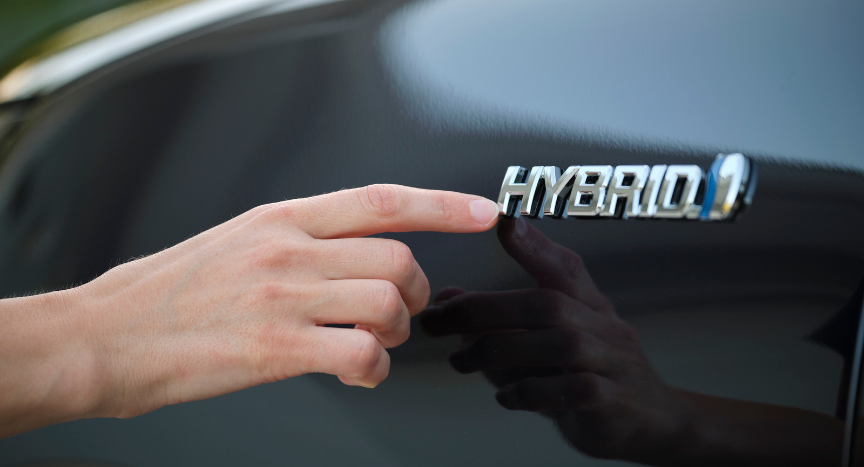
A three-row SUV can open the door to larger rideshare trips, but an extra row of seats doesn’t necessarily mean there’s enough room for six passengers and their luggage. Some SUVs have generous third-row seating but limited cargo space, while others offer impressive fuel economy at a considerably higher purchase price.
That makes choosing a vehicle for UberXL or Lyft XL more complicated than finding one with seven seat belts. Passenger comfort, luggage capacity and fuel expenses all deserve attention, particularly when the SUV will accumulate substantial mileage.
The Toyota Grand Highlander Hybrid, Hyundai Palisade Hybrid, Honda Pilot and Volkswagen Atlas are four models worth comparing. Each is available in the U.S. market, and all four offer configurations with enough seats to meet the basic passenger-capacity requirement for XL service. Actual platform approval still depends on the vehicle and location.
Toyota Grand Highlander Hybrid
The Toyota Grand Highlander Hybrid has one of the strongest combinations of passenger capacity and fuel economy among three-row SUVs.
For 2026, the standard hybrid achieves an EPA-estimated 34 mpg combined with all-wheel drive, with certain front-wheel-drive versions reaching 36 mpg. That’s a substantial advantage over conventional gasoline SUVs for someone covering thousands of miles each month.
Toyota also provides 20.6 cubic feet of cargo space behind the third row. Unlike figures measured with the rear seats folded, this is the space available when passengers are using all three rows. The Grand Highlander seats seven or eight people depending on configuration, making the second-row layout worth checking before purchase.
There are two different hybrid powertrains in the lineup. The standard hybrid prioritizes fuel economy, while the more powerful Hybrid MAX uses considerably more gasoline. For rideshare work, the regular hybrid is the more sensible choice unless there is another reason to prioritize performance.
Used examples date back to the 2024 model year, giving buyers a relatively small selection of model years compared with the Pilot or Atlas. Toyota’s hybrid battery warranty extends for 10 years or 150,000 miles from the original in-service date, although the remaining coverage on a used vehicle depends on its age and mileage.
The Grand Highlander Hybrid is particularly well suited to drivers who want to reduce fuel expenses without sacrificing the passenger capacity needed for XL trips.
2026 Toyota Grand Highlander specifications
Hyundai Palisade Hybrid
Hyundai’s 2026 Palisade Hybrid brings another fuel-efficient option to the three-row SUV market, with a roomy cabin and several seating configurations.
Fuel economy ranges from an EPA-estimated 29 to 34 mpg combined. The most efficient front-wheel-drive SEL and SEL Premium configurations achieve 34 mpg, while higher-trim front-wheel-drive versions return 31 mpg and all-wheel-drive models are rated at 29 mpg.
Those differences matter when comparing vehicles on a dealership lot. A Palisade Hybrid advertised with 34-mpg fuel economy won’t necessarily deliver that rating in every trim.
The Palisade Hybrid has 19.1 cubic feet of cargo space behind the third row and 32.1 inches of third-row legroom. Its available eight-passenger configuration provides an additional seat compared with seven-passenger versions, although either can meet the basic capacity requirement for XL service.
Because the hybrid powertrain debuted for 2026, there isn’t an extensive record of high-mileage ownership for this particular version. Earlier gasoline-powered Palisades are available used, but their fuel economy and powertrain specifications are different.
For someone shopping new, the Palisade Hybrid is a credible alternative to the Grand Highlander. Its interior space is competitive, although Toyota offers slightly more cargo room behind the third row.
2026 Hyundai Palisade Hybrid specifications
Honda Pilot
The Honda Pilot is a practical option for drivers who value interior space and want a wider selection of used vehicles.
Its 2026 model provides 32.5 inches of third-row legroom, with seating for seven or eight people depending on trim. Several configurations include a removable second-row middle seat, allowing owners to adjust the cabin arrangement without committing permanently to captain’s chairs.
Honda lists 18.6 cubic feet of standard cargo space behind the third row, although its published maximum measurements are higher depending on configuration. That standard figure is slightly below the Grand Highlander and Palisade, which could matter on trips involving several large bags.
The Pilot’s V6 engine is rated at 20 to 22 mpg combined. It doesn’t offer a hybrid powertrain, so fuel costs will generally be higher than those of the Toyota and Hyundai hybrids when comparing similar driving conditions.
Where the Pilot may have an advantage is purchase price. Its longer production history gives buyers more used model years to consider, potentially allowing a lower upfront investment. However, the specifications of a 2026 Pilot should not be applied to older generations, and a pre-purchase inspection remains important when considering a high-mileage example.
A competitively priced used Pilot could make sense for someone who wants a spacious SUV but isn’t ready to pay for a newer hybrid.
2026 Honda Pilot specifications
Volkswagen Atlas
The Volkswagen Atlas offers generous passenger space, including one of the roomier third rows in this comparison.
Volkswagen lists 33.7 inches of third-row legroom for the 2026 Atlas, giving it a slight advantage over the Pilot and Palisade by that measurement. The SUV accommodates up to seven occupants, with a choice of second-row arrangements depending on configuration.
Cargo space behind the third row is approximately 20.6 cubic feet. That makes it competitive with the Grand Highlander when the rear seats are occupied, although the actual shape of the cargo area still affects how luggage fits.
Fuel economy is less impressive than the hybrids. Volkswagen lists EPA-estimated fuel economy of up to 23 mpg combined for the 2026 Atlas, meaning frequent driving could result in significantly higher gasoline expenses than with the Grand Highlander Hybrid.
The Atlas has been sold in the United States since the 2018 model year, so buyers can consider a range of used examples. Earlier versions have different engines and equipment, making model-year-specific research important when comparing prices.
The Atlas is worth considering for its passenger room and potential used-market value, particularly when a lower purchase price can offset some of its higher fuel consumption.
2026 Volkswagen Atlas specifications
How the Four SUVs Compare
The figures below reflect published specifications for 2026 U.S. models. Fuel economy varies by trim and drivetrain, while cargo measurements are manufacturer-reported and may use different measurement conventions.
| SUV | Combined fuel economy | Cargo space behind third row | Third-row legroom |
| Toyota Grand Highlander Hybrid | 34–36 mpg, standard hybrid | 20.6 cu. ft. | 33.5 in. |
| Hyundai Palisade Hybrid | 29–34 mpg | 19.1 cu. ft. | 32.1 in. |
| Honda Pilot | 20–22 mpg | 18.6 cu. ft., standard measurement | 32.5 in. |
| Volkswagen Atlas | Up to 23 mpg | Approximately 20.6 cu. ft. | 33.7 in. |
The Atlas has the most third-row legroom by a small margin, while the Grand Highlander Hybrid offers the best combination of published fuel economy and luggage capacity. Hyundai’s Palisade Hybrid comes close on fuel efficiency, and the Pilot remains competitive for passenger space despite its higher fuel consumption.
None of these SUVs has unlimited luggage room with every seat occupied. A six-passenger airport trip involving multiple checked bags may require more cargo space than a conventional three-row SUV can provide.
How Fuel Economy Affects Annual Operating Costs
The financial advantage of a hybrid becomes easier to see when comparing annual mileage.
At 30,000 miles per year and an illustrative gasoline price of $3.50 per gallon, a vehicle averaging 34 mpg would cost approximately $3,088 annually to fuel. One averaging 23 mpg would cost about $4,565, while a vehicle returning 21 mpg would cost $5,000.
That puts the annual fuel-cost difference between 34 mpg and 21 mpg at approximately $1,912. Over three years, the gap would reach about $5,735 if mileage, fuel prices and efficiency remained unchanged.
Actual expenses will vary, and EPA ratings are not guarantees of real-world fuel economy. Frequent idling, traffic conditions, vehicle loads and driving habits can affect results.
A hybrid’s lower fuel consumption also needs to be weighed against its purchase price. Someone buying a used Pilot or Atlas for substantially less than a newer hybrid may have enough savings upfront to cover several years of additional gasoline expenses. Insurance, financing, maintenance and depreciation should be included before deciding which vehicle offers the better overall value.
Confirm XL Eligibility Before Purchasing
UberXL and Lyft XL are intended for groups of up to six passengers, but their vehicle requirements go beyond seating capacity.
Uber’s published UberXL requirements include seven factory-installed seats and seat belts, four doors with independently opening passenger doors, and other vehicle-condition standards.
Lyft’s XL requirements call for seating for six passengers, seven seat belts and inclusion on the company’s approved vehicle list.
Both platforms may impose additional restrictions based on location and model year. A vehicle that meets the general seating requirement is not automatically approved for every market.
Luggage capacity is a separate issue. Lyft offers XXL service in select markets for eligible vehicles with additional trunk space, but its published requirements also include an approved vehicle list. The manufacturer-reported cargo volume of an SUV is not enough by itself to establish whether a specific model qualifies.
Before buying, confirm the exact vehicle’s eligibility directly with the intended platform. That is especially important for used SUVs approaching a local model-year limit.
Which SUV Makes the Most Sense?
For someone driving substantial annual mileage, the Grand Highlander Hybrid offers the most balanced combination of fuel economy, passenger capacity and cargo space among these four models. Its regular hybrid powertrain makes it particularly appealing for frequent city driving, although the purchase price may be higher than a comparable used gasoline SUV.
The Palisade Hybrid is another strong option for buyers considering a new vehicle, especially those comparing front-wheel-drive models with the highest fuel economy ratings. Its newer powertrain has less long-term ownership history, which is worth factoring into the decision.
A used Honda Pilot or Volkswagen Atlas may provide better initial value when the purchase price is significantly lower. Both offer substantial passenger room, but their higher fuel consumption becomes more expensive as annual mileage increases.
The final choice should come down to the actual vehicle’s condition, its approved rideshare categories and the costs associated with the miles it will cover. A third row may qualify an SUV for larger trips, but passenger access, luggage space and operating expenses determine how practical that vehicle will be once it’s working.
The ProDriverPoint editorial team creates practical content covering industry news, operations, technology, safety, and workforce developments for professional drivers and transportation businesses. Each article is written to help readers understand the changes affecting passenger transportation and the services they provide.
Last Updated: October 16, 2026


Customer Reviews
Thanks for submitting your comment!